.png)
The construction equipment sector is in the midst of a technological renaissance. As we step into 2025, nowhere is this transformation more evident than in the world of excavator engines—a core component that determines both operational performance and regulatory compliance for modern machinery. For global importers, distributors, and wholesale buyers, keeping pace with these rapid advancements is not just an option; it is a necessity for maintaining competitive edge, ensuring compliance, and future-proofing their business operations.
From stricter emissions regulations to the growing influence of digitalization and hybrid power, this article examines the key trends shaping excavator engine technology in 2025 and highlights what international buyers need to know to succeed in a fast-evolving marketplace.
1. Stricter Emissions Standards: The New Global Baseline
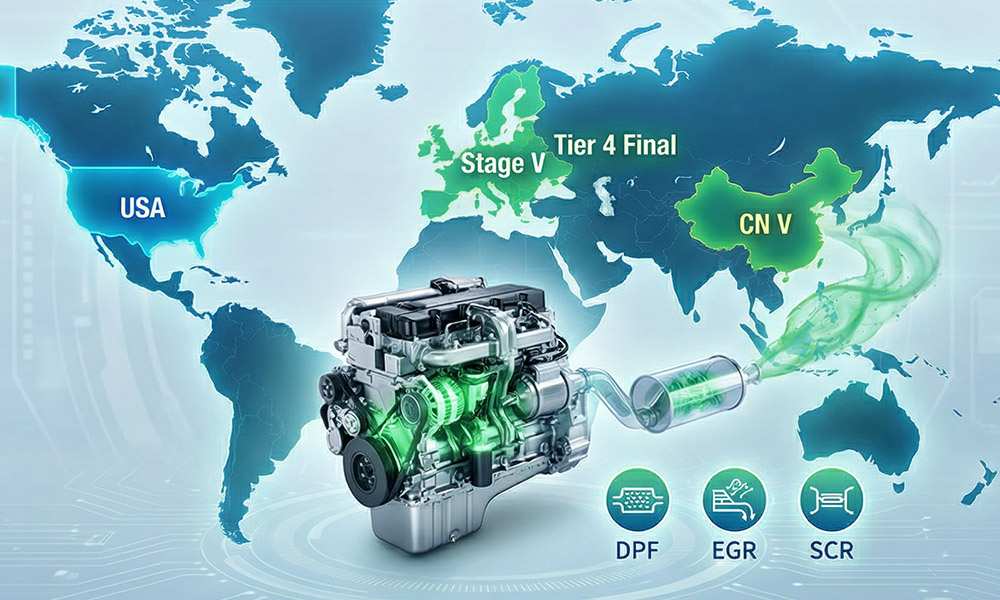
Arguably the most influential driver of engine innovation today is the relentless tightening of emissions regulations. In major economies such as the European Union, United States, and increasingly in Asia, governments have introduced stringent standards—Euro Stage V, EPA Tier 4 Final, and China National IV/V—that dramatically reduce allowable levels of nitrogen oxides (NOx), particulate matter, and other pollutants.
For importers, this means that demand is shifting decisively towards engines equipped with advanced aftertreatment systems. These systems, which may include Diesel Particulate Filters (DPF), Selective Catalytic Reduction (SCR), and Exhaust Gas Recirculation (EGR), are now standard on new excavators destined for regulated markets. Failure to comply not only risks costly fines and import holds, but can also impact brand reputation.
Key Tip:
Always verify that your engine supplier provides valid certifications and that engine parts and systems meet the latest regional requirements. For B2B importers, maintaining documentation and traceability for every batch has become a critical compliance task.
2. Rise of Hybrid and Electrified Powertrains
While diesel remains the dominant energy source for heavy-duty machinery, 2025 marks a turning point for hybrid and electric technologies in the excavator segment. Driven by a global push for sustainability, leading OEMs—including Caterpillar, Komatsu, and Volvo—have released hybrid or fully electric excavators targeting urban construction sites, emission-restricted zones, and forward-looking contractors.
Hybrid engines typically combine an efficient diesel engine with an electric motor and energy storage system, resulting in significant fuel savings (often 15–25%), reduced noise, and lower emissions. Meanwhile, advances in battery technology are gradually extending the operational range and power output of pure electric models.
For importers, this means expanding product lines to include not just traditional engine parts, but also high-voltage components, battery management systems, and specialized maintenance tools.
Key Tip:
Evaluate your supplier base for hybrid and electric expertise. Training your sales and service teams in new powertrain technologies will be essential as demand accelerates.
3. Smart Engines: Connectivity, Telematics, and Predictive Maintenance
The digitalization wave has arrived in excavator engines. Telematics and engine control units (ECUs) now collect and transmit real-time data on engine health, fuel consumption, temperature, and performance. Advanced sensors enable predictive maintenance, allowing operators to address issues before costly failures occur.
For importers and distributors, understanding these systems is vital—not only for parts procurement, but for supporting clients who expect diagnostic solutions and seamless integration with fleet management platforms.
Key Tip:
Partner with engine suppliers who offer robust support for smart diagnostics and provide technical resources for integration with telematics platforms. Providing value-added services such as remote monitoring or maintenance alerts can set your business apart.
4. Modular Design and Component Interchangeability
Manufacturers are increasingly embracing modular engine designs, enabling faster assembly, easier maintenance, and greater flexibility in adapting to different regional standards. Standardized interfaces and interchangeable subassemblies reduce downtime and simplify repairs, especially for multinational fleets with diverse equipment.
For B2B buyers, this trend means sourcing parts that offer cross-compatibility, reducing inventory complexity, and increasing first-time fix rates.
Key Tip:
When negotiating with suppliers, request clear documentation on component compatibility and modularity. Build strategic inventories that cover multiple models or brands with fewer SKUs.
5. Materials Innovation and Engine Durability
As workloads intensify and regulatory constraints grow, engine makers are pushing the envelope with advanced materials—ranging from lightweight alloys to high-temperature ceramics and improved coatings. These innovations deliver greater durability, higher efficiency, and longer service intervals.
Importers should recognize that while some aftermarket components may offer lower prices, cutting corners on material quality can compromise engine performance and reliability, especially under demanding site conditions.
Key Tip:
Insist on material certifications and quality testing. Work closely with trusted suppliers to balance cost with proven durability, especially for high-wear parts such as pistons, liners, and bearings.
6. Data-Driven Decision Making for Importers
With so many technological changes underway, successful importers in 2025 are leveraging data analytics to guide procurement, predict demand, and optimize inventory. Engine telematics, combined with market intelligence tools, help distributors anticipate which models and parts will be in highest demand—and when.
The most advanced importers now use cloud-based platforms to integrate real-time sales, usage, and maintenance data, making it easier to adjust product portfolios and provide proactive support to clients.
Key Tip:
Invest in analytics tools that integrate with your supplier and customer databases. Use insights to guide product stocking, marketing, and after-sales service offerings.
7. Global Sourcing and Regulatory Complexity
Finally, as international supply chains evolve, importers must navigate an increasingly complex web of sourcing options, tariffs, and regulatory hurdles. “One size fits all” is no longer viable: engines and components may be tailored to specific markets, with region-specific software, emission kits, and compliance documentation.

Partnering with experienced logistics providers and regulatory experts is crucial to ensure timely, compliant delivery across multiple borders.
Key Tip:
Stay informed about the latest trade regulations and customs requirements in your key markets. Build redundancy into your sourcing strategies to mitigate risks from geopolitical or supply chain disruptions.
Conclusion
The excavator engine landscape of 2025 is defined by innovation, regulation, and global complexity. For importers, success depends on staying ahead of the technology curve—embracing new powertrains, supporting smart diagnostics, managing compliance, and leveraging data-driven insights.
By partnering with forward-thinking suppliers and investing in continuous learning, importers can transform challenges into opportunities, delivering lasting value to their clients and sustaining growth in an ever-evolving marketplace.